Photography Workshop: Opening Your Innovative Vision
Welcome to the Photography Workshop: Opening Your Innovative Vision. This immersive workshop is created to assist you use your artistic possibility and elevate your digital photography skills to new heights. Through a collection of hands-on exercises and experienced support, you will learn just how to harness the power of point of view, master light and darkness, check out imaginative structure methods, release your creative imagination with post-processing, and capture feeling and storytelling in your pictures. Led by skilled specialists in the area, this workshop will certainly provide you with vital insights and practical knowledge to unlock your imaginative vision and produce fascinating visual stories. Whether you are a newbie or a seasoned digital photographer, this workshop is designed to expand your horizons and push the limits of your creative thinking. Prepare to begin on a transformative journey right into the world of photography.
Recognizing the Power of Point Of View
Understanding the power of viewpoint in digital photography entails selecting the optimum angle and viewpoint to successfully convey the desired message or evoke particular feelings in the visitor. As a professional photographer, one need to identify that the means a topic is recorded can considerably affect the overall interpretation of an image. By purposefully picking the perspective, photographers can control the visitor's assumption, leading them to concentrate on particular elements or really feel a particular way.
Perspective refers to the position from which a picture is taken. Capturing from a low angle can make a subject show up even more enforcing or dominant, while firing from a high angle can develop a feeling of vulnerability or insignificance.
Learning Light and Shadow
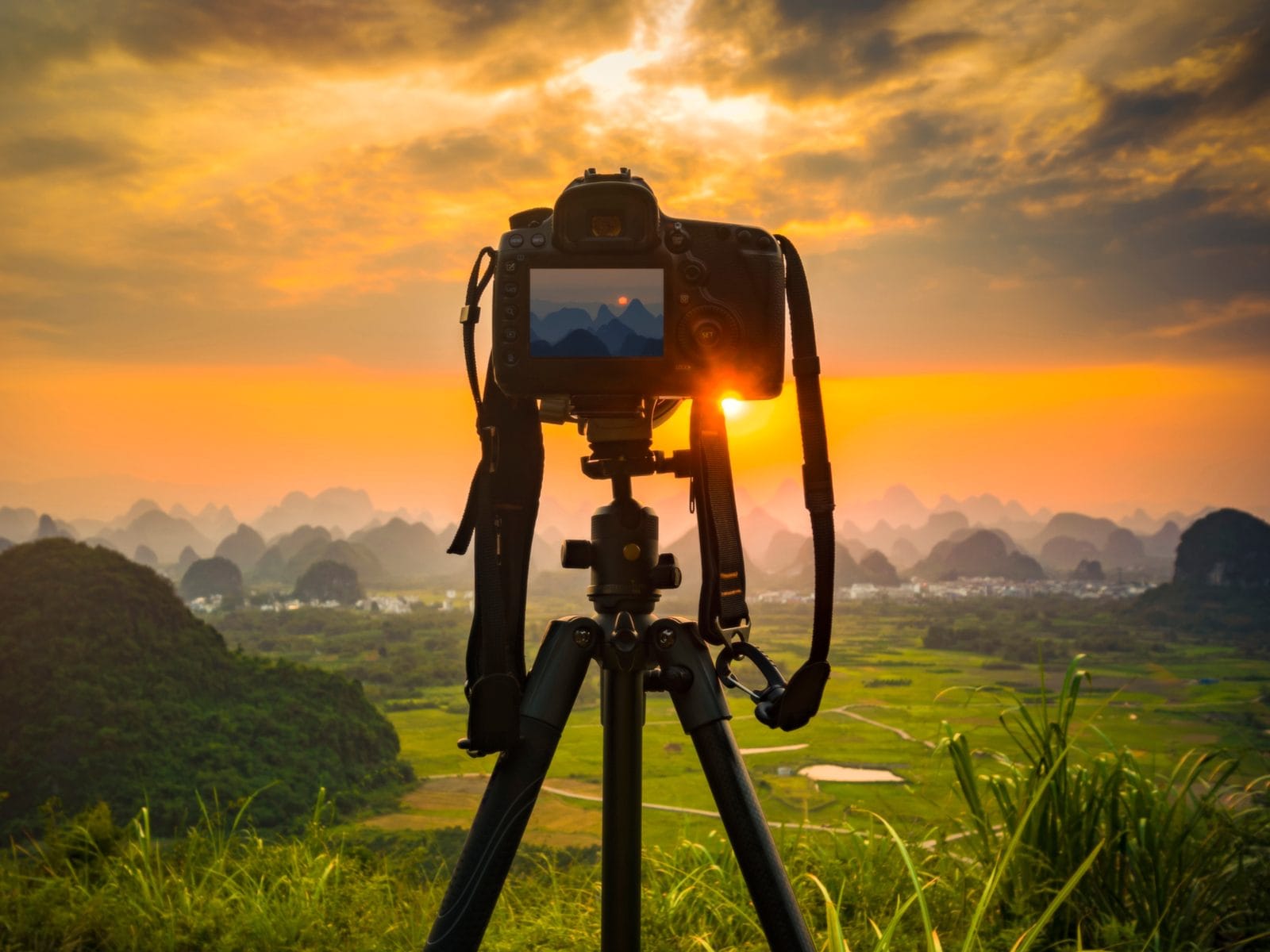
To properly catch the significance of a subject in photography, photographers must grasp the interplay of light and darkness. Light and darkness have the power to transform an average scene right into a captivating and significant photo. Comprehending just how to control and manipulate light and darkness permits professional photographers to develop deepness, structure, and mood in their pictures.
One secret aspect of mastering light and shadow is understanding how to determine and use different kinds of illumination. All-natural light, as an example, can vary relying on the moment of day, weather, and place. Photographers must find out to adapt to these variations and take advantage of the readily available light to enhance their topics.
Along with all-natural light, photographers can also trying out fabricated lighting resources to create one-of-a-kind impacts. Workshop illumination, off-camera flash, and light modifiers such as reflectors and diffusers can all be made use of to manage the light and shape in a scene.
Recognizing the connection between light and shadow is critical in creating visually striking make-ups. By strategically putting the topic in connection with the light resource, professional photographers can develop fascinating patterns, shapes, and contrasts. The interplay of light and shadow can add deepness, measurement, and aesthetic passion to an image.
Exploring Imaginative Make-up Techniques
Continuously refining their abilities in light and darkness control, professional photographers explore the realm of discovering imaginative composition strategies to better improve their photo vision. Structure is an important element in photography that involves arranging the numerous components within the frame to develop an impactful and aesthetically enticing photo. By recognizing and applying creative make-up methods, professional photographers can elevate their work from regular to extraordinary.
Among the most fundamental strategies is the rule of thirds. This strategy entails dividing the structure into 9 equal components making use of two horizontal and 2 upright lines. Positioning factors of rate of interest along these lines or at their junctions helps to develop a balanced and aesthetically pleasing structure.
An additional method is leading lines, where lines within the frame are utilized to guide the visitor's eyes in the description direction of the main topic. These lines can be normally occurring, such as roadways or rivers, or unnaturally developed, like fencings or railings.
:max_bytes(150000):strip_icc()/film-photography-592347645-59e4d0609abed500119e7b14.jpg)
Furthermore, digital photographers can try out different perspectives, such as reduced angles or high angles, to create compelling and distinct compositions. They can also discover the use of negative space, symmetry, patterns, and textures to add aesthetic influence to their pictures.
Releasing Your Creativity With Post-Processing
Post-processing deals photographers the chance to release their creativity and raise their images to new degrees of creativity and aesthetic influence. This phase of the photo procedure entails boosting and controling pictures making use of software tools such as Adobe Photoshop or Lightroom. With post-processing, digital photographers can deal with exposure, adjust color equilibrium, eliminate disturbances, and use imaginative effects to their photos.
One of the crucial advantages of post-processing is the capability to draw out the full capacity of a picture. It permits professional photographers to produce a specific state of mind or atmosphere by adjusting the tones, comparison, and saturation - photography trips. Furthermore, post-processing allows the artist to experiment with various creative designs, such as including a classic appearance, applying a remarkable black this link and white conversion, or even producing surreal impacts
Additionally, post-processing can assist digital photographers overcome specific limitations of their equipment. For example, it enables the combining of several exposures to develop sensational high vibrant variety (HDR) images or the elimination of unwanted items or individuals from a scene.
However, it is crucial to note that post-processing must not be used as a prop to fix improperly composed or subjected pictures. It is best used as a tool to boost and amplify the digital photographer's creative vision.
Catching Feeling and Storytelling in Your Images
By catching emotion and storytelling in your images, you can stimulate powerful narratives and develop a much deeper connection with your audience. Photography is an art kind that goes beyond catching a moment in time; it has the capability to share emotion, tell stories, and transport the viewer right into a various world. When you can effectively catch feeling in your photos, you can produce photos that resonate with your audience on an extensive degree.

One way to catch emotion in your pictures is to concentrate on the topic's face expressions and body language. photography trips. These aesthetic signs can connect a large array of emotions, from delight and excitement to despair and reflection. By focusing on these details, you can catch the significance of a minute and evoke a psychological response from your audiences
The make-up, lights, and subject matter all contribute to the story of the image. By carefully picking these components, you can develop a story that engages your target market and sparks their imagination.
Capturing emotion and storytelling in your photos requires practice and an eager eye for information. It has to do with locating the appropriate minute, the best angle, and the appropriate structure to share your desired message. By grasping these techniques, you can produce pictures that not just record the focus of your target market however likewise leave a long-term impact.
Final Thought
Finally, the digital photography workshop gave valuable understandings right into opening one's innovative vision. By understanding the power of point of view, grasping light and shadow, discovering imaginative structure methods, and letting loose imagination through post-processing, participants were equipped with the devices look at here now to catch emotion and narration in their photos. This workshop has actually undoubtedly enhanced their digital photography abilities and permitted them to reveal their creative vision through visual storytelling.
To successfully catch the significance of a topic in digital photography, digital photographers need to grasp the interaction of light and darkness. Recognizing how to manage and manipulate light and shadow enables photographers to produce depth, texture, and mood in their photographs.
By tactically positioning the subject in relation to the light resource, digital photographers can create interesting patterns, shapes, and contrasts.Continuously refining their skills in light and darkness control, digital photographers dig right into the realm of discovering innovative structure techniques to better enhance their photo vision. It allows photographers to produce a certain state of mind or atmosphere by adjusting the tones, comparison, and saturation.